Micro-Dramas & AI: Why Actors Still Matter in Full-Stack AI Production
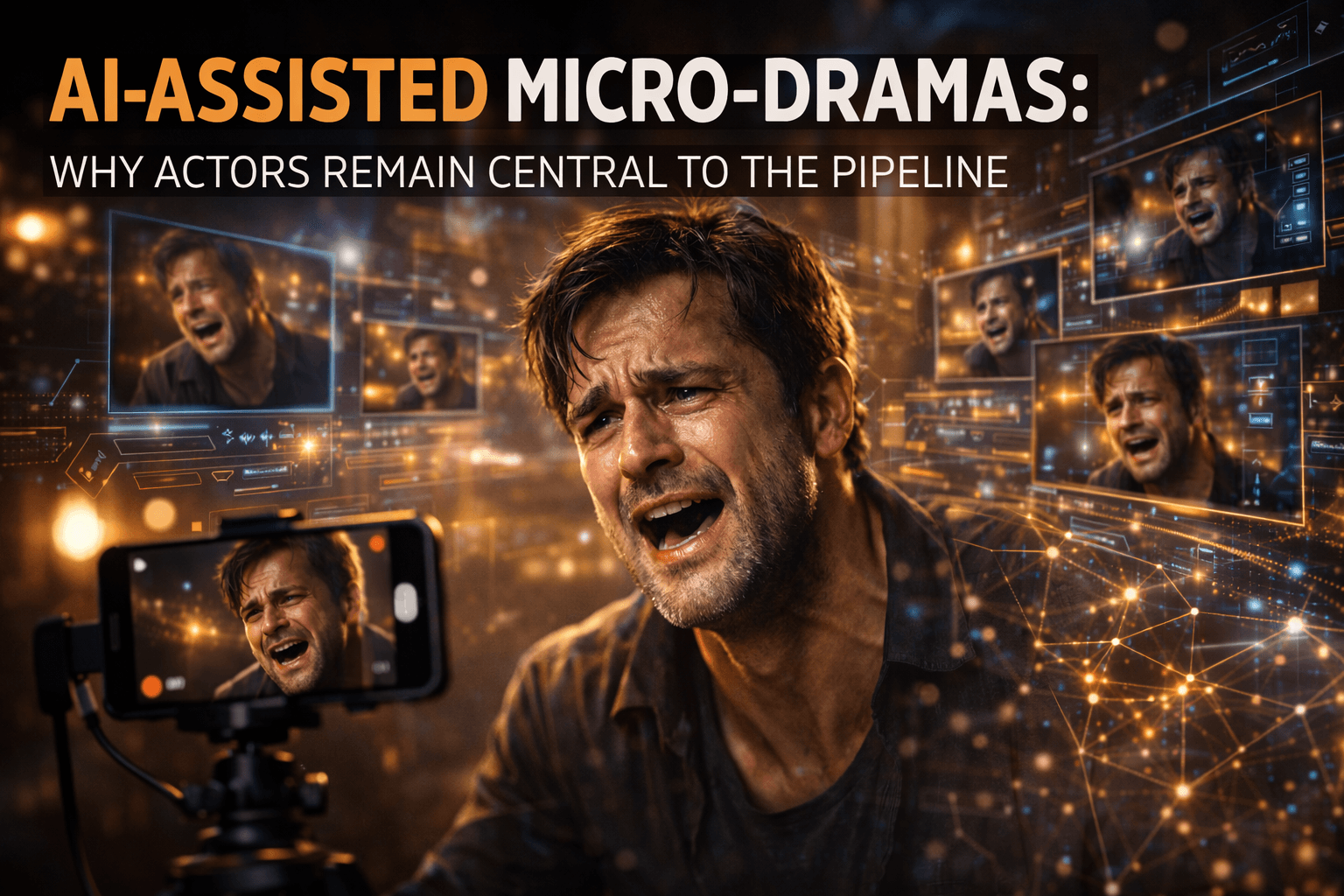
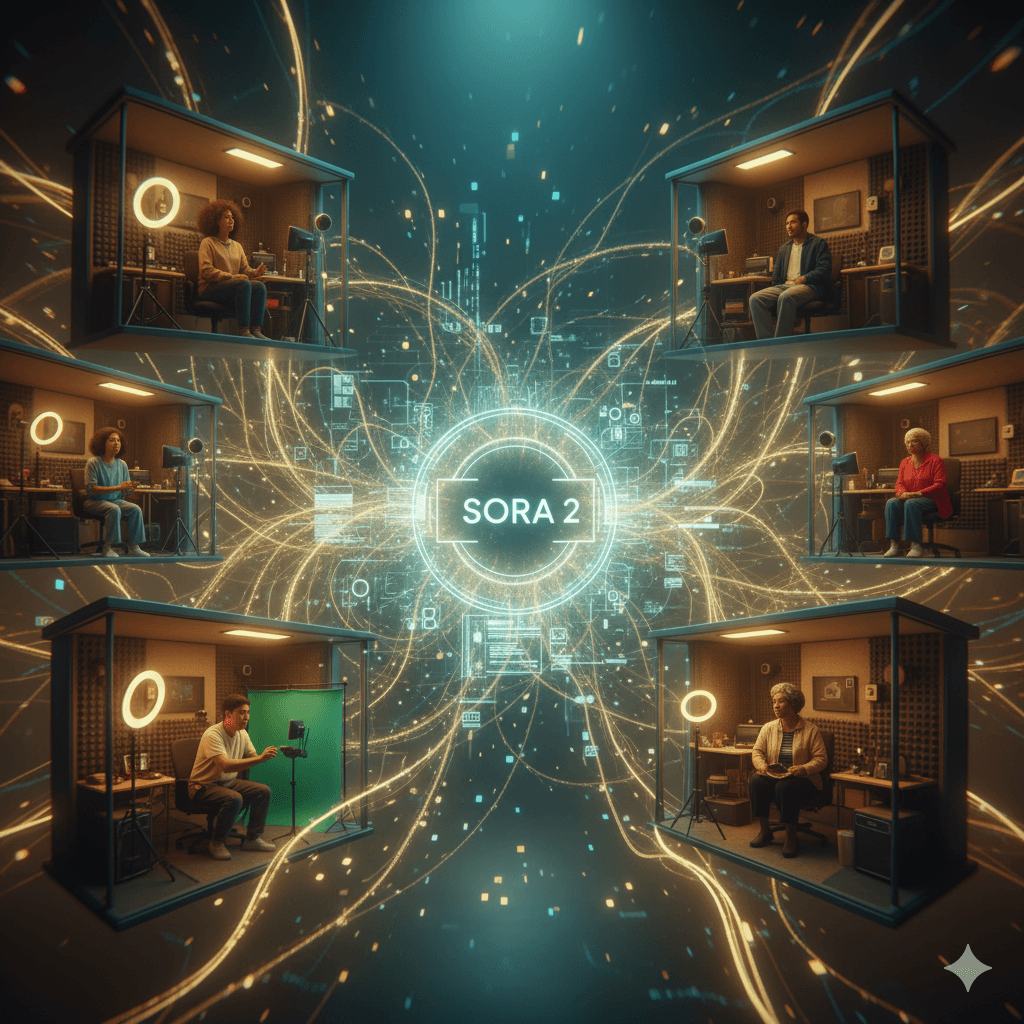
The AI-video space is moving incredibly quickly, and more institutional players are now entering the market. I'm also seeing noticeably more interest from micro-drama platforms in AI-generated / AI-assisted content.
This is particularly relevant for actors because micro-dramas have increasingly become a viable way to monetise performance during an industry slump. For example, Variety notes that actor Nick Ritacco "has starred in 40 microdramas" in the last two years.
Variety: Microdramas & SAG-AFTRA
So, micro-drama platforms engaging with "full-stack" AI solutions may, to some within the acting community, feel like a scary idea. However, I've genuinely seen a different side to the story.
Actors Are Still Essential to AI Production
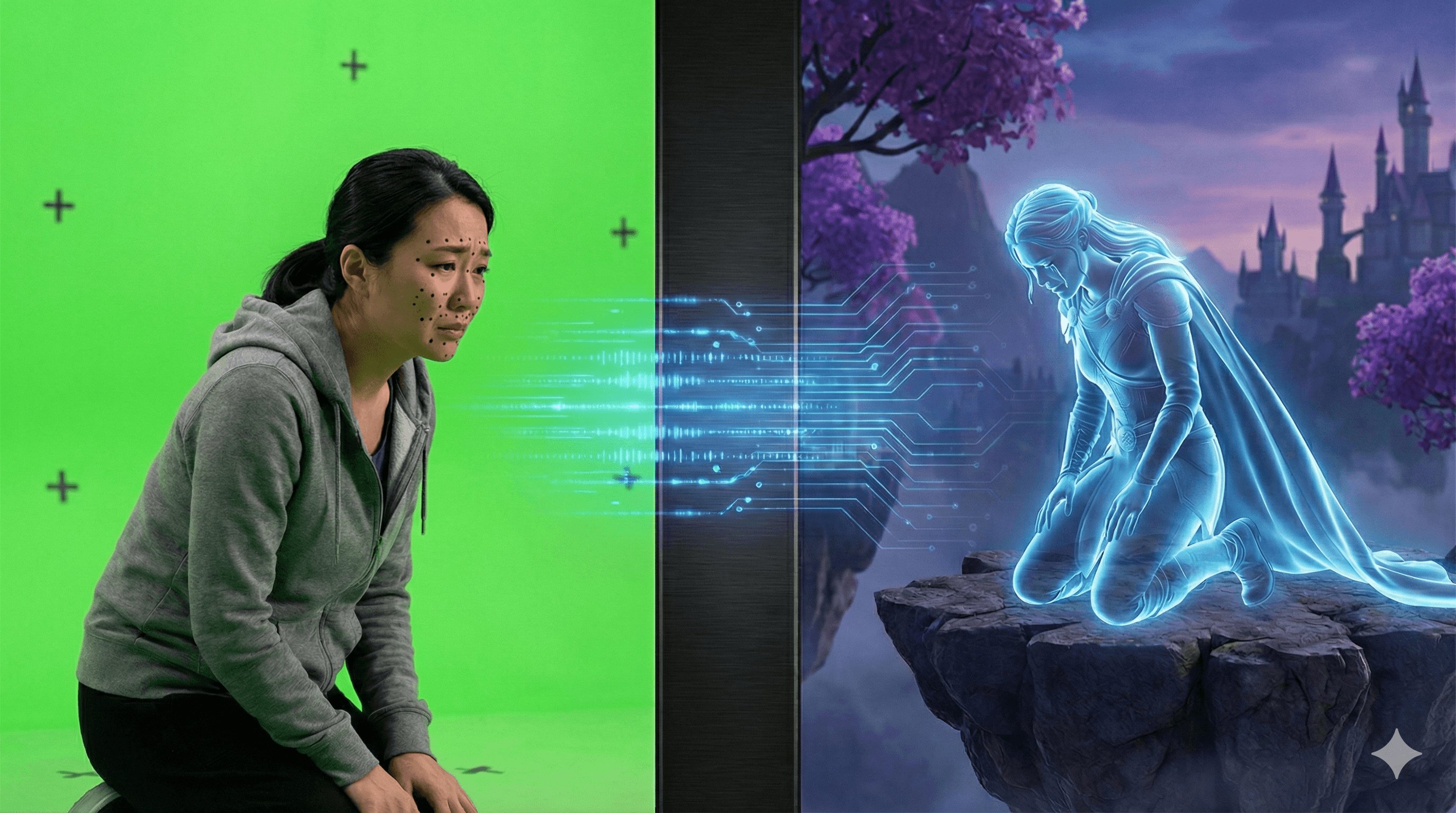
Actors are still extremely important to the production pipeline of any full-stack AI episode. In practice, the best AI outputs still come from performative inputs.
Think of it this way:
- How many flavours of anger are there?
- How many flavours of happiness are there?
- Which specific flavour of anger/happiness is appropriate for a given scene?
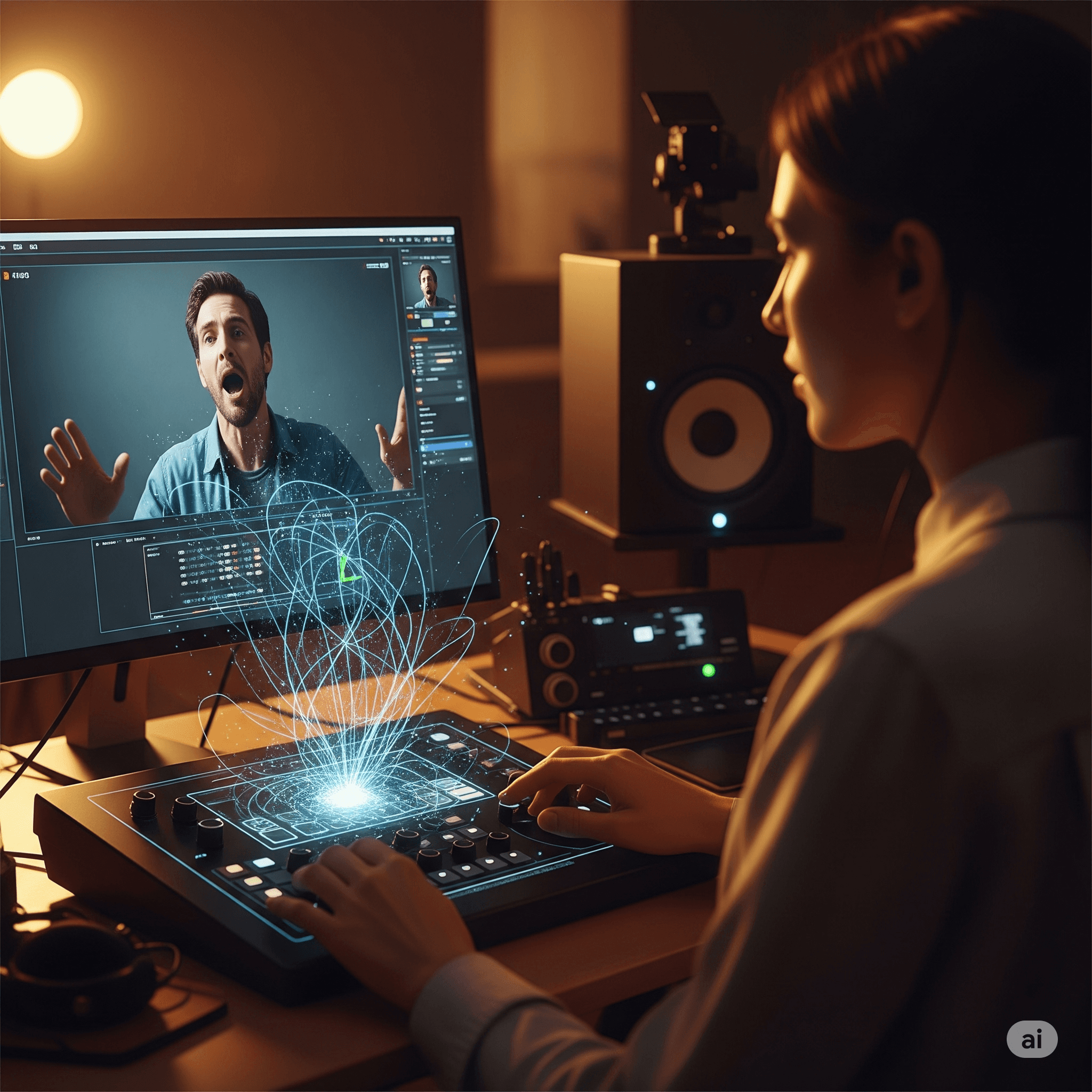
These are very difficult questions for an AI model to "best-guess" from a text prompt alone. An AI filmmaker often has to trial several dozen generations before landing on something that's actually sufficient. Now extrapolate that to a longer format piece — i.e., a micro-drama series that totals ~60 minutes in runtime.
Performative Video: The Most Efficient Route
We intuitively understand which emotional "flavour" matches a scene — and actors understand it best. What I'm seeing from people deeply engaged in this space is that AI filmmakers are using performative video as the most efficient route to generating the most compelling outputs. And micro-drama platforms are taking note.
Yes, they're exploring fully AI-generated episodes, but almost all recognise that actors still play an integral role in the pipeline, because performance is often the fastest route to getting strong, consistent results.
Social Capital Still Wins
And finally: it's already well-established that micro-drama platforms prioritise actors with social capital. AI isn't changing that.
AI may cut costs, but funnelling viewers to a platform still requires stars — and for now at least, those stars remain human.
Cameron Dejahang
Co-founder & CEO, Acting Pal
See also
FAQ
Are micro-dramas a good opportunity for actors right now?
Yes. During industry slowdowns, micro-dramas have become a viable revenue stream—some actors have starred in dozens of productions in just two years.
Will AI replace actors in micro-drama production?
No. The best AI outputs still require performative inputs. Actors provide the emotional nuance and specificity that text prompts cannot replicate.
Why do AI filmmakers prefer performative video?
Text prompts are ambiguous. Generating the right emotional "flavour" for a scene through prompts alone requires dozens of iterations. Performative video is faster and more consistent.
Does social capital still matter in the AI era?
Absolutely. Platforms need stars to drive viewership. AI may cut production costs, but human performers with audiences remain essential for distribution.
Use Cmd/Ctrl + ArrowLeft for previous post, Cmd/Ctrl + ArrowRight for next post.