Seedance 2.0 and Kling 3.0: What AI Filmmaking’s New Leap Means for Actors
Seedance 2.0 and Kling 3.0 are the new gold standard in AI filmmaking.
If you haven’t seen what these tools can do yet, the results will probably shock many of you:
- SB Ahmed Yahya’s LinkedIn post on Seedance 2.0
- Brogan Wassell’s LinkedIn post: “It’s ready…”
- Brogan Wassell’s LinkedIn post: “A little gibberish…”
Does this change the need for real performance inputs?
Not really.
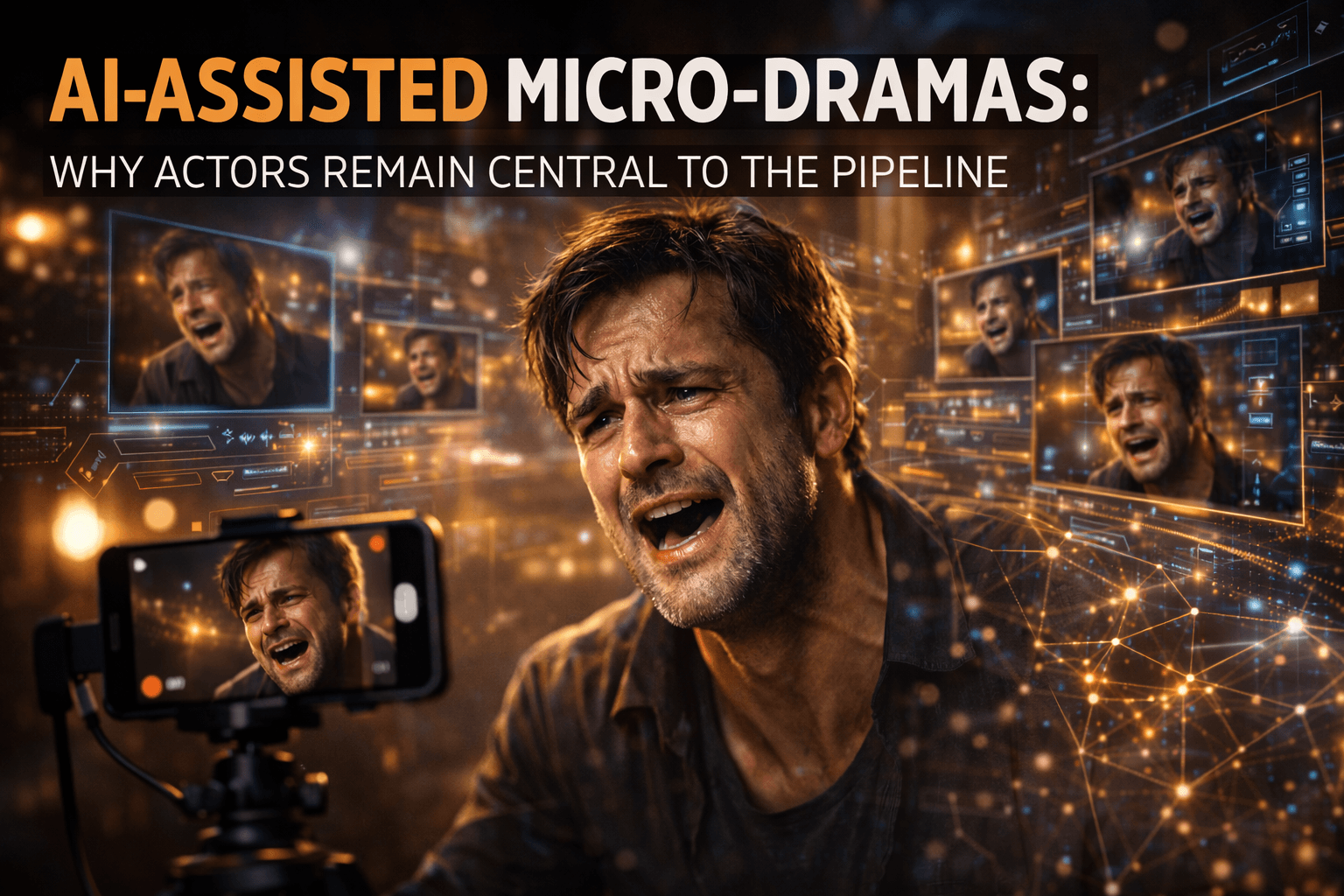
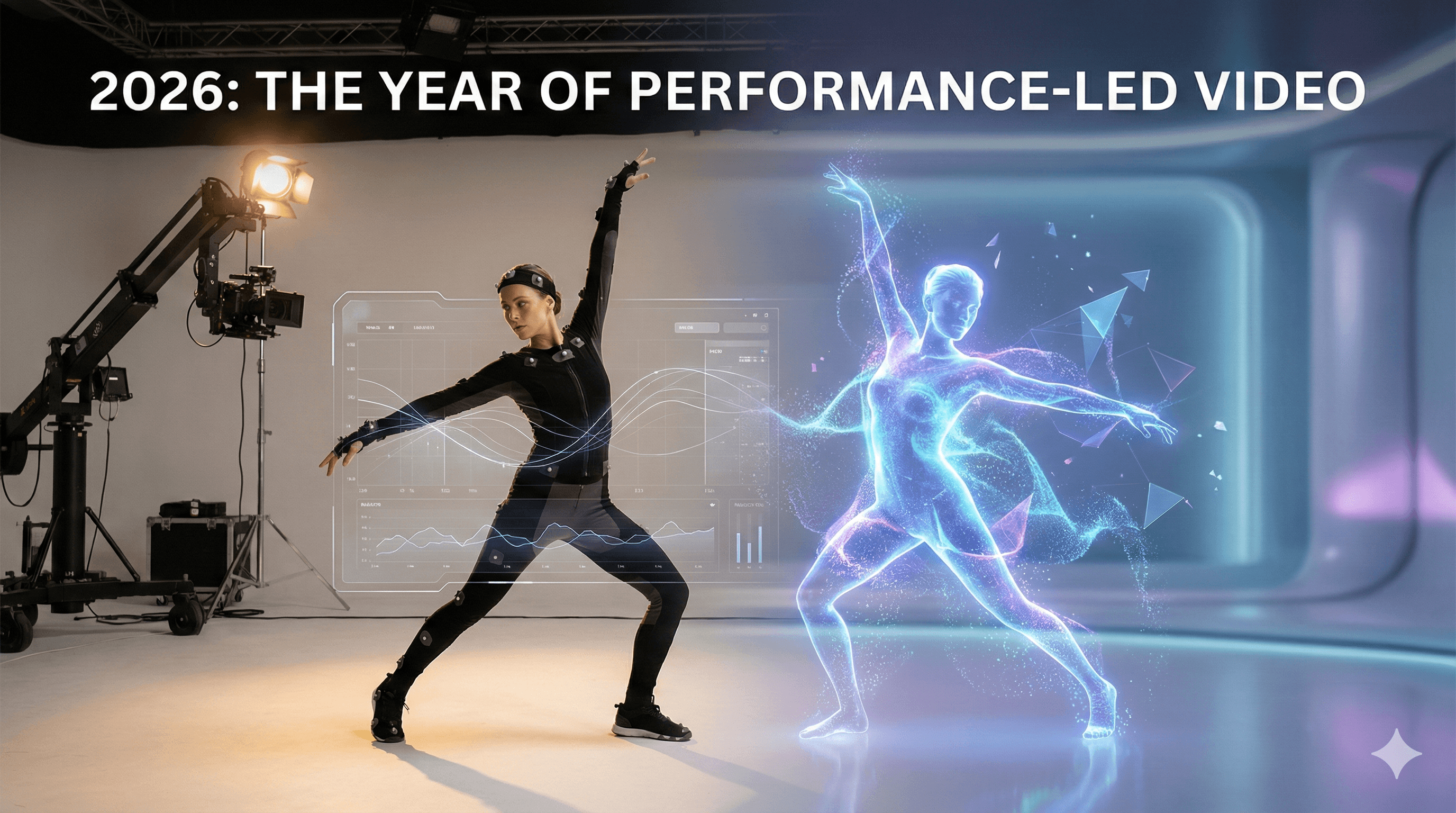
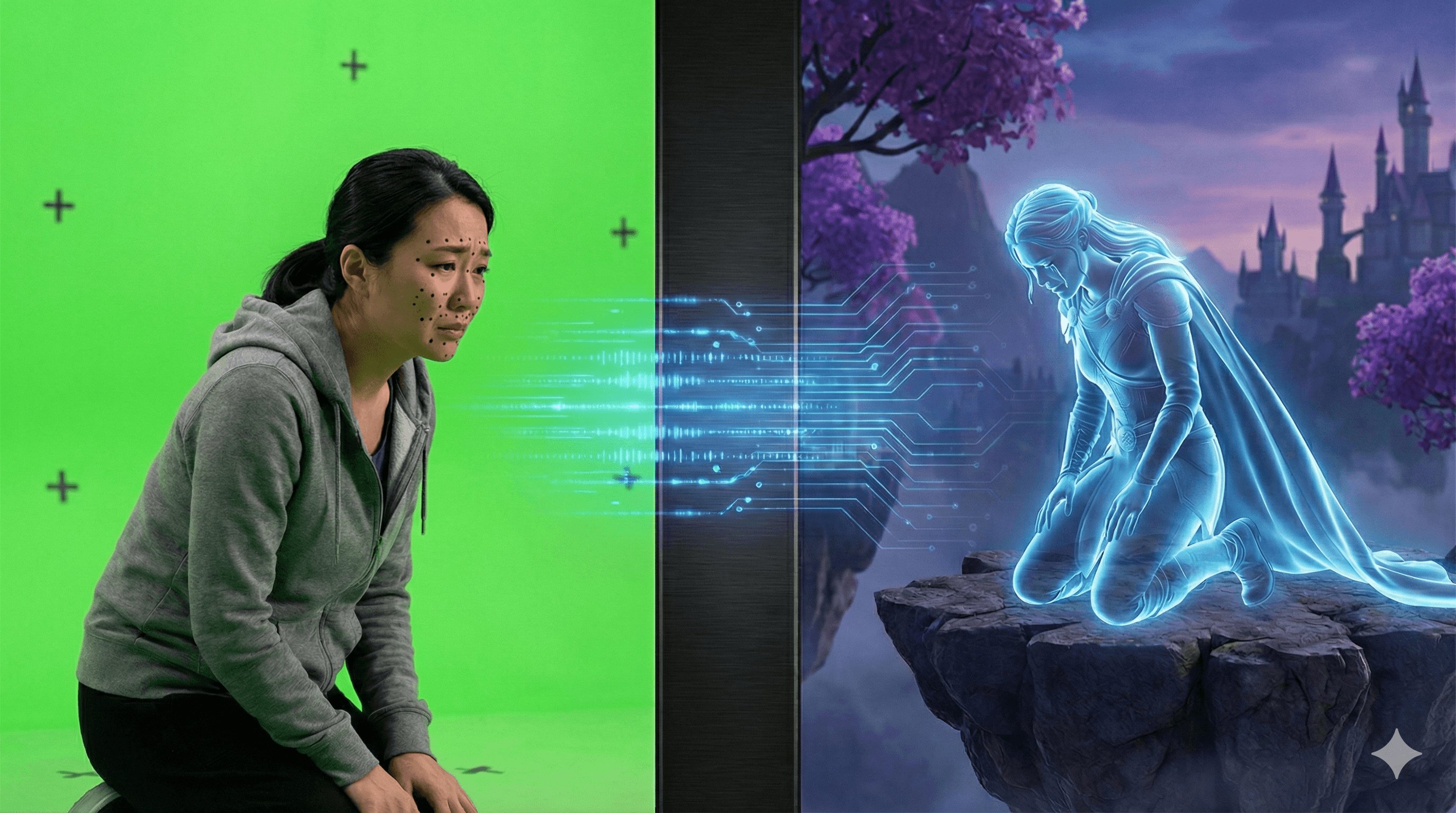
For the next 12–24 months, the most efficient way to get a specific AI-generated result is still to start with a real performance input. The tools are improving fast, though.
Do I think we’ll reach a point where the best way to generate a compelling performance is purely via text prompts? Maybe. But for anything that requires precision and nuance, you still need control; and it’s hard to capture the nuances of a human performance (particularly for longer formats) through text alone.
Worst-case scenario: prompting replaces performance
Let’s run with the “worst case” for our community: text/image prompting becomes the most efficient way to generate strong outputs.
In that world, can actors still build viable careers?
To frame the implications, I’ll lean on the work of Doug Shapiro (one of the most respected thinkers in this space), who asks a core question:
As the cost of content creation collapses and supply explodes, where does value accrue — and how should we position ourselves?
Shapiro’s view: as content converges downward, it becomes top-of-funnel (attention capture), while value shifts to bottom-of-funnel monetisation: events, merch, experiences, etc.
It’s interesting that Disney announced its new CEO as Josh D’Amaro who was Disney's experience chairman (not head of media/narrative etc). Perhaps they foresee content shifting to top-of-funnel too.
Nevertheless, if Shapiro’s framework is correct, this has major implications for actors. If the margins of content collapse, surely actors get squeezed too?
Note, Shapiro recognises however there are still major unknowns: IP, consumer acceptance (the “AI slop” narrative isn’t disappearing anytime soon), etc. Whether content remains high-margin or becomes commoditised and sold near marginal cost relies on answers to these unknowns among others.
If content costs go to ~0, what impact will that have on actors?
Let’s assume content costs do collapse to near marginal cost. How will this affect actors?
Rather than actors getting squeezed, I believe that actors will serve a key role in addressing one of the chokepoints that Shapiro acknowledges: in a world of infinite content, how do brands/distributors reliably capture attention?
My view:
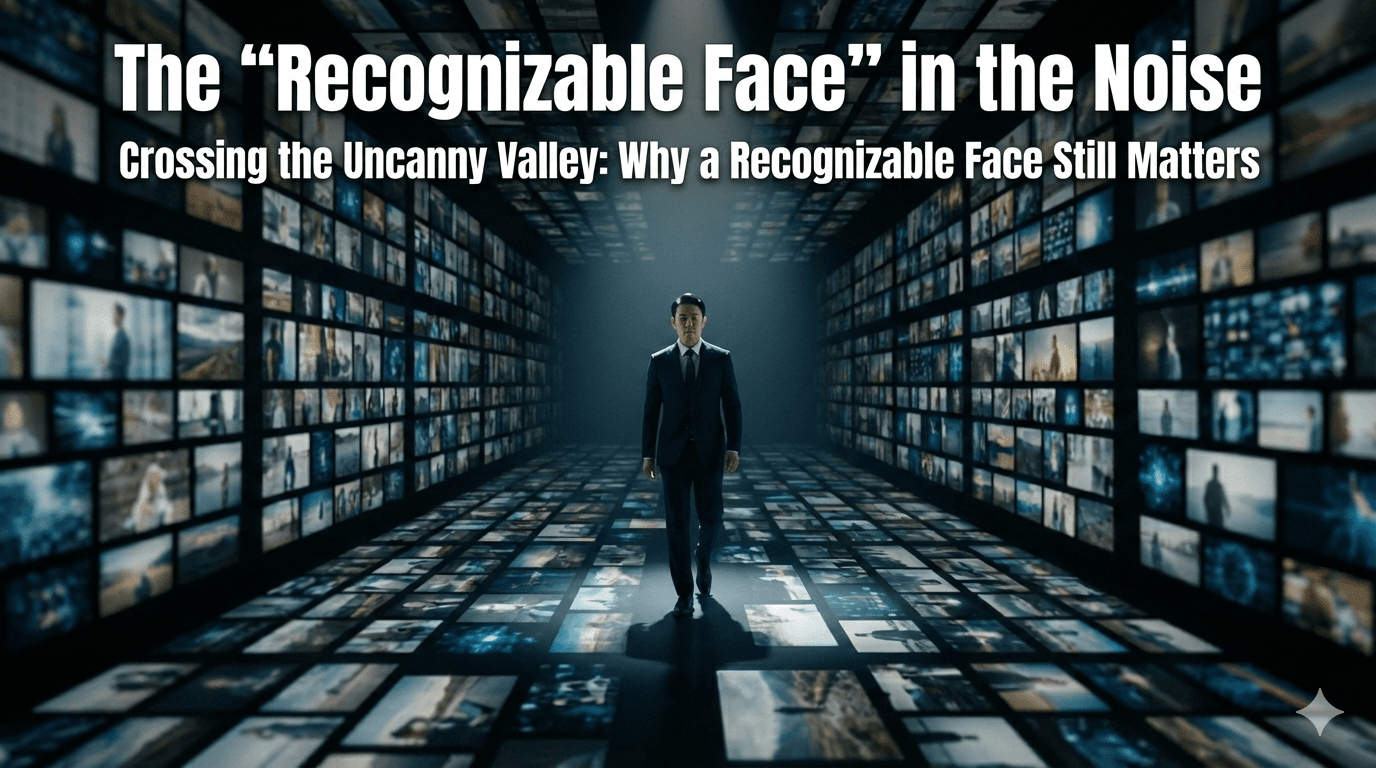
A recognisable face.
An actor who can build a following; specifically, followers who want to watch them perform. Actors who can reliably funnel high-intent traffic (viewers who want to watch their star perform) toward projects they participate in become a powerful distribution asset.
This capability may be even more valuable than it is today.
My take
Actors are one of the only defensible creative professions in an AI-dominant media future.
I still believe performance inputs will remain central to producing the highest-quality AI content.
But even if that turns out to be wrong, two things continue to protect performers:
- Consumers still struggle with fully AI-made content (and that won’t change overnight).
- In an infinite-content world, recognizable faces and followings matter more than ever.
So performers remain integral, but the job may increasingly include audience-building.
Final point: this is a very complicated space and no one knows for sure how things will unfold. I’m always open minded to views that differ to my own, so don’t hesitate to share.
See also
- Sora 2: The Turning Point in AI Filmmaking That Every Actor Should Pay Attention To
- The Last 2–3 Weeks in AI Filmmaking: What It Means for Actors
- Will AI Replace Actors?
- How Actors Will Benefit from AI
Cameron Dejahang
Co-founder, Acting Pal
FAQ
Are Seedance 2.0 and Kling 3.0 good enough to replace actor performances today?
Not fully. They are dramatically better, but for precision, nuance, and longer-form performance control, real actor input remains the most reliable workflow.
If AI content creation becomes almost free, do actors lose leverage?
Not necessarily. In an attention-scarce market, recognizable performers who bring loyal audiences can become even more valuable as distribution assets.
What is the biggest strategic shift actors should make now?
Keep developing performance craft while actively building audience relationships. The combination of skill plus audience pull is likely to be the strongest long-term moat.
Is the AI-content future already settled?
No. IP, regulation, platform economics, and audience acceptance are still unresolved, and each will shape how much value remains in premium content versus commoditised output.
Use Cmd/Ctrl + ArrowLeft for previous post, Cmd/Ctrl + ArrowRight for next post.